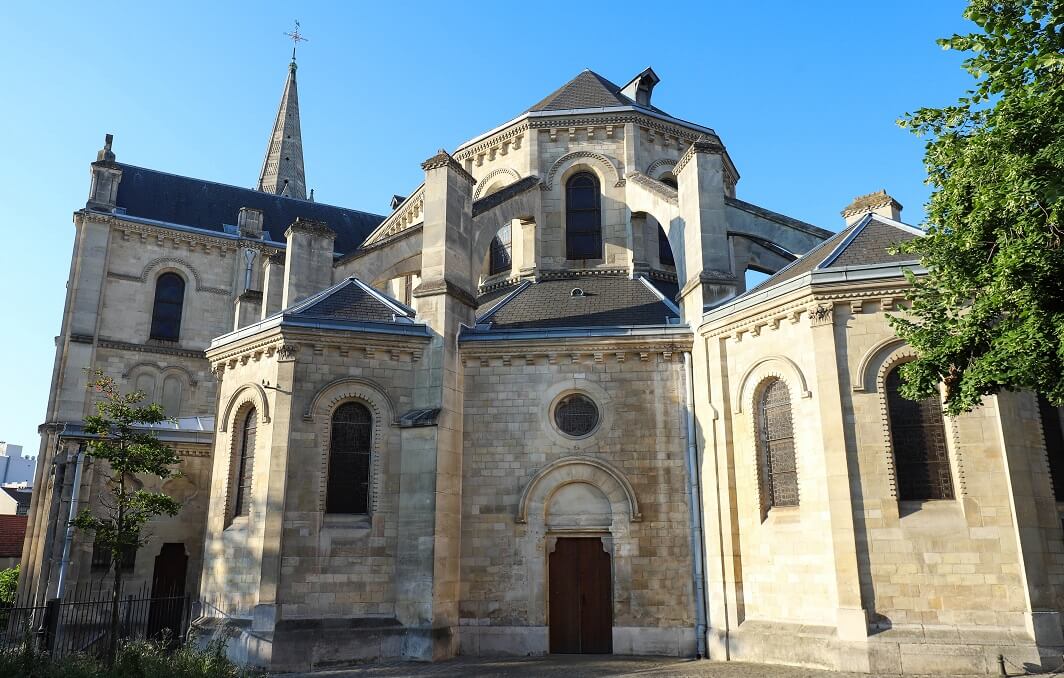
Argenteuil Population and Area (Val-d'Oise)
Largest city in France 2026: up-to-date figures for Argenteuil (Val-d'Oise)
Argenteuil: Population and Area
With 106,546 inhabitants (INSEE total population in force on January 1, 2026), Argenteuil is the 40th most populous town in France in 2026 and the most populous in the Val-d'Oise department, out of 183 communes. It covers 17 km² (10,078th largest area in France, 3rd largest in the department), with a population density of 6,187 inhabitants per km², or 56 times the national average (110 inhabitants/km²), which ranks it 99th in France for density.
Argenteuil is located in the Val-d'Oise department (95), in the Île-de-France region, where it ranks 5th by population out of 1,266 communes. It is the most populous town in the Val-d'Oise department, which is home to 1,290,942 people over 1,246 km².
See the full ranking of communes in the Val-d'Oise department and the regional ranking: largest city in Île-de-France.
Towns of similar size in the Val-d'Oise department: Cergy (pop. 71,250), Sarcelles (pop. 59,385), Garges-lès-Gonesse (pop. 41,893).
Sources: INSEE, official population figures in force on January 1, 2026 (total population); areas: IGN / Observatoire des territoires; INSEE code 95018. Rankings are calculated across the 34,858 communes of metropolitan and overseas France in our database.
Argenteuil, the largest city in the Val-d'Oise
Only a subprefecture, Argenteuil is nonetheless the most populous town in the Val-d'Oise, far ahead of Pontoise, the department's capital, and Cergy, where the prefecture's offices are located, and one of the five or six largest cities in Île-de-France. On the right bank of the Seine, facing Colombes and Gennevilliers, the town went in a single century from a winegrowers' village to a large industrial city, then to a residential town of the inner suburbs.
A Seine-side town, from Monet to housing projects
The regattas and riverbanks of Argenteuil were painted by Monet and the Impressionists; Georges Braque was born here. Industrialization at the end of the 19th century, then the construction of large public housing districts after the war, such as the Val d'Argent, made the population soar. The commune, fairly large and relatively sparsely populated for the inner ring, today mixes detached houses, apartment buildings and business parks, and its population remains stable at a high level, supported by its rail connections to the Gare Saint-Lazare.