Strasbourg Population and Area (Bas-Rhin)
Largest city in France 2026: up-to-date figures for Strasbourg (Bas-Rhin)
Strasbourg: Population and Area
With 296,552 inhabitants (INSEE total population in force on January 1, 2026), Strasbourg is the 8th most populous town in France in 2026 and the most populous in the Bas-Rhin department, out of 514 communes. It covers 78 km² (429th largest area in France, 2nd largest in the department), with a population density of 3,789 inhabitants per km², or 35 times the national average (110 inhabitants/km²), which ranks it 213th in France for density.
Strasbourg is located in the Bas-Rhin department (67), in the Grand Est region (formerly Alsace), where it ranks 1st by population out of 5,115 communes. It is the most populous town in the Bas-Rhin department, which is home to 1,178,940 people over 4,755 km².
See the full ranking of communes in the Bas-Rhin department and the regional ranking: largest city in Grand Est.
Towns of similar size in the Bas-Rhin department: Haguenau (pop. 36,899), Schiltigheim (pop. 34,922), Illkirch-Graffenstaden (pop. 28,336).
Sources: INSEE, official population figures in force on January 1, 2026 (total population); areas: IGN / Observatoire des territoires; INSEE code 67482. Rankings are calculated across the 34,858 communes of metropolitan and overseas France in our database.
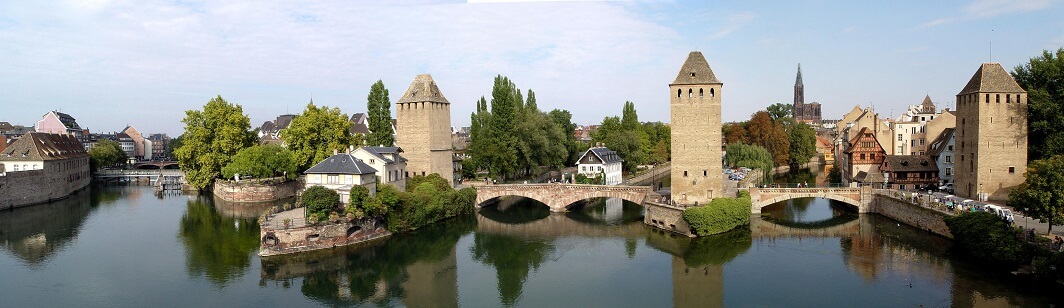
Located in eastern France, Strasbourg is the eighth most populous city in France and the capital of the historic region of Alsace. With a population of over 280,000, it is a dynamic, cosmopolitan city, known for its unique historical and cultural heritage.The historic center of Strasbourg is a UNESCO World Heritage Site, and its most iconic sights, such as Notre-Dame Cathedral, the Petite France quarter and the Palais Rohan, draw thousands of visitors every year. The city is also known as the seat of several European institutions, such as the European Parliament and the Council of Europe.
Strasbourg is a cutting-edge city, with a high concentration of innovative companies in research and development, biotechnology and IT. Its diversified economy also includes sectors such as tourism, pharmaceuticals and the food industry.
Strasbourg is also known for its quality of life, with many parks and green spaces, bike paths and pedestrian zones, as well as a vibrant cultural scene that includes music festivals, art exhibitions and food events.
Whether you are an occasional visitor or a permanent resident, there is a lot to discover in Strasbourg. From local cuisine to the city's fascinating history, Strasbourg is a must-see destination for anyone interested in French culture and history.