Le Havre Population and Area (Seine-Maritime)
Largest city in France 2026: up-to-date figures for Le Havre (Seine-Maritime)
Le Havre Density
3,591 inhabitants/km²TOP #233
Le Havre: Population and Area
With 168,588 inhabitants (INSEE total population in force on January 1, 2026), Le Havre is the 15th most populous town in France in 2026 and the most populous in the Seine-Maritime department, out of 707 communes. It covers 47 km² (1,382nd largest area in France, 4th largest in the department), with a population density of 3,591 inhabitants per km², or 33 times the national average (110 inhabitants/km²), which ranks it 233rd in France for density.
Le Havre is located in the Seine-Maritime department (76), in the Normandy region (formerly Upper Normandy), where it ranks 1st by population out of 2,644 communes. It is the most populous town in the Seine-Maritime department, which is home to 1,281,667 people over 6,278 km².
See the full ranking of communes in the Seine-Maritime department and the regional ranking: largest city in Normandy.
Towns of similar size in the Seine-Maritime department: Rouen (pop. 119,165), Saint-Étienne-du-Rouvray (pop. 29,760), Sotteville-lès-Rouen (pop. 29,464).
Sources: INSEE, official population figures in force on January 1, 2026 (total population); areas: IGN / Observatoire des territoires; INSEE code 76351. Rankings are calculated across the 34,858 communes of metropolitan and overseas France in our database.
Le Havre, the largest city in Normandy
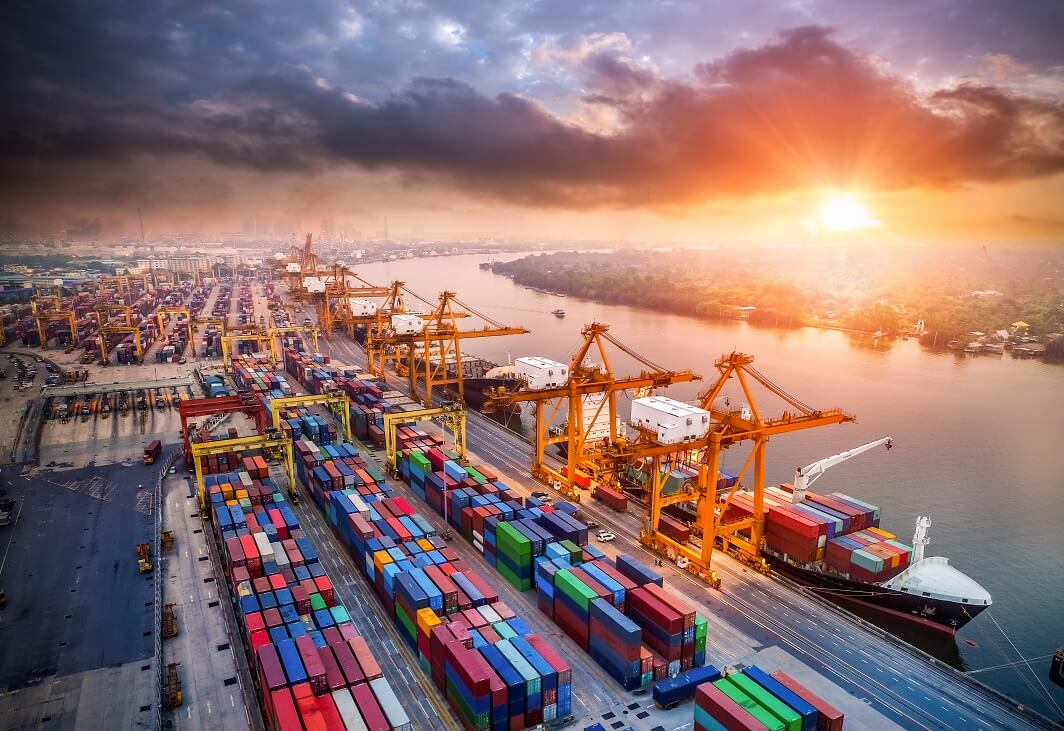
By the population of the commune itself, Le Havre outranks Rouen and Caen: it is the largest city in Normandy, even though it is only a subprefecture of the Seine-Maritime department. This unusual situation is explained by its port, France's leading container port, which for two centuries drew workers, dockers and the chemical, oil and automotive industries.
A city rebuilt in one piece
Founded by Francis I in 1517 at the mouth of the Seine, the city was almost entirely destroyed in 1944, then rebuilt by Auguste Perret's studio according to an overall plan now listed by UNESCO. This rebuilt center, airy and regular, gives Le Havre a moderate density for a commune of its size. After losing residents in the late 20th century with industrial decline, the city now relies on port logistics, offshore renewable energy and tourism to stabilize its population.